Behind the Lens: What It Takes to Shoot Professional Sports
From NFL sidelines to the US Open courts — the preparation, positioning, and split-second timing behind professional sports photography.
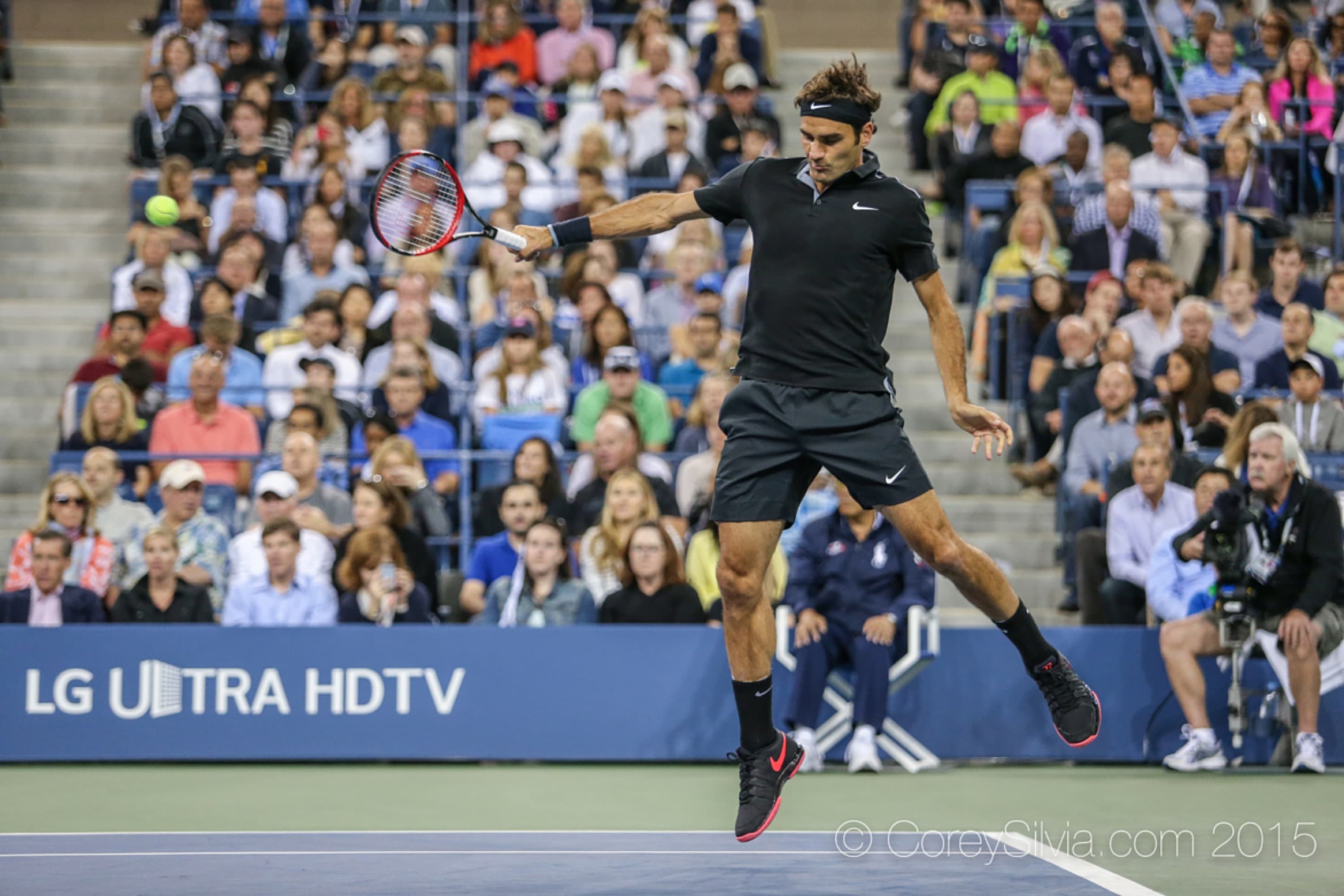
Professional sports photography isn't about luck — it's about preparation, positioning, and split-second timing. After years of shooting for outlets like Sports Illustrated and ESPN, and covering leagues from the NFL to the US Open, I've learned that the best shots come from understanding the game as well as the athletes playing it.
Know the Sport
Before I pick up a camera at any event, I study the sport. In football, I know where the action is likely to unfold based on the formation. In tennis, I can anticipate where a player will move based on their opponent's shot selection. This anticipation is what separates a good sports photo from a great one.
Gear and Settings — It Depends on the Sport
There's no one-size-fits-all lens in sports photography. I've used wide lenses in every sport — it always depends on the situation, the story you're telling, and where you're positioned. That said, there are patterns. For football and soccer, longer lenses make the most sense given the size of the field. I love zooms like the 200–400mm for versatility, but I also reach for primes — a 300mm prime is incredibly sharp, and the 70–200mm is one of the most versatile lenses in any sports bag.
Shutter Speed is Where the Art Lives
This is where each sport gets its own approach. In motorsports, I love shooting slow — 1/125s or even 1/60s — to create motion blur that shows the car was actually moving. A tack-sharp race car against a frozen background looks like it's parked. You have to create the sense of speed with the camera because a car doesn't show obvious motion the way a human body does. Tennis is the opposite — you want a shutter speed fast enough to freeze the athlete at the peak of their swing or serve, but dialed in just right so the ball still shows a trace of movement. The athlete jumping and swinging already tells the story of motion, so you're fine-tuning rather than manufacturing it. Finding that balance is one of the most satisfying technical challenges in the sport.
The Etiquette of Golf
Golf comes with its own set of rules for photographers. You don't shoot during a golfer's backswing — especially if you're anywhere near them. The click of a shutter at the wrong moment can throw off a player's concentration, and you'll hear about it. Longer lenses are essential so you can stay well back and zoom in without drawing attention. It's a sport where being invisible is part of the job, and respecting that etiquette is non-negotiable if you want to keep your credential.
Positioning is Everything
At a major event, you can't just wander wherever you want. Credential access matters, but so does knowing the best angles. For NFL games, I often work from the end zone during red zone plays — that's where the intensity lives. At the US Open, certain courts have better light at specific times of day, and I plan my schedule around those windows. Soccer is similar to football — it's a large field, so long lenses and smart positioning are everything.
Hockey and the Risks of Shooting Through the Hole
Ice hockey comes with inherent risks that most sports don't. I've had a puck hit my camera while shooting through the hole in the glass — luckily I had a clear protective filter on the lens, which took the impact instead of the front element. I'd recommend any photographer shooting professional hockey through a camera hole to always use a clear protective filter. It's cheap insurance against a very expensive accident. The conditions are already challenging enough — low light, fast action, scratched plexiglass — without worrying about a 90 mph puck finding your lens.
The Moment
In sports, moments happen in milliseconds. A celebration, an interception, the emotion on a player's face after a crucial point. These are the frames that make the front page. You can't anticipate every moment, but you can put yourself in position to capture more of them by reading the flow of the game.
Working with Editors
When shooting for publications, turnaround is everything. I've filed images during halftime that ran on Sports Illustrated's website before the game ended. Understanding what editors need — action, emotion, storytelling — shapes how I approach every assignment from the moment I arrive at the venue.
Professional sports photography is demanding, but there's nothing quite like freezing a moment that millions of fans will remember.
Interested in working together?
Get in Touch