Ice and Intensity: What It's Like to Shoot NHL Hockey
Shooting through plexiglass at 10,000 ISO while players move at 30 mph — NHL hockey is one of the most demanding environments in sports photography.
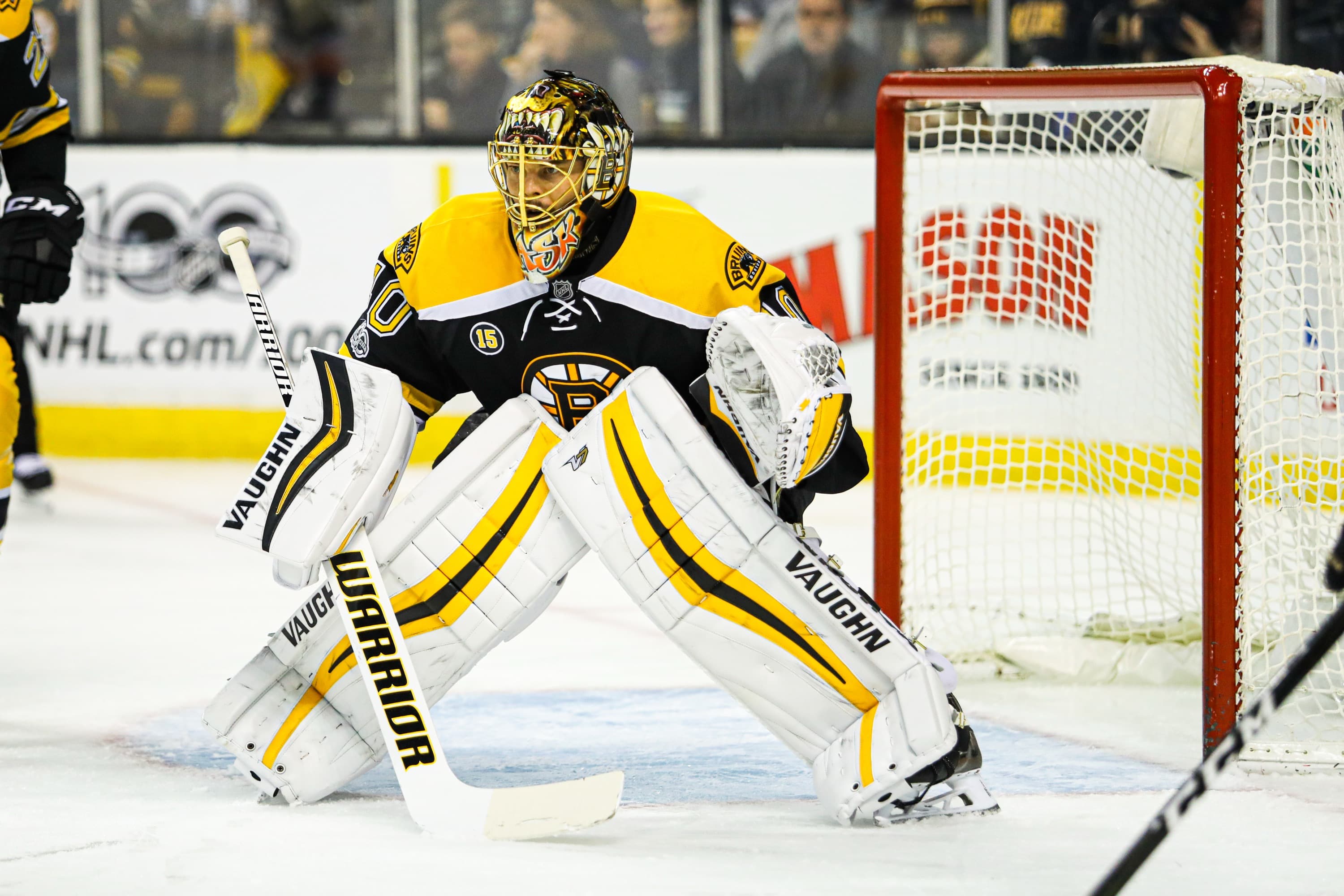
Hockey is a photographer's nightmare and dream wrapped into one. The light is terrible, the action is blisteringly fast, and there's a sheet of scratched plexiglass between you and every frame. But the intensity, the collisions, the raw emotion — when you nail a shot in those conditions, nothing else compares.
The Light Problem
Arena lighting for hockey is designed for television, not photography. It's bright enough for broadcast cameras but creates harsh overhead shadows that bury players' faces. I typically shoot at ISO 6400–10000 with a wide-open aperture of f/2.8. Noise management in post-processing is critical — you're constantly balancing shutter speed fast enough to freeze the action against the grain that comes with pushing ISO to its limits.
Shooting Through Glass
The plexiglass barrier is both a safety necessity and a photographer's nemesis. It introduces reflections, softness, and color shifts. I shoot with the lens hood pressed flat against the glass to eliminate reflections, and I know which sections of glass are cleaner than others at each arena. Position matters — certain camera holes and gaps between glass panels offer unobstructed shooting lanes.
Reading the Play
Hockey moves at 30 mph with constant direction changes. You can't track the puck — it's too small and too fast. Instead, I read body language and positioning. A winger driving toward the net, a goalie squaring up for a save, a defenseman loading up for a one-timer — recognizing these moments a half-second before they happen is how you get the frame.
The Emotional Moments
Goals, saves, fights, overtime winners — hockey delivers emotional peaks that rival any sport. I've shot Tuukka Rask stretching across the crease for an impossible save and David Pastrnak celebrating a game-winner with the crowd erupting behind him. Those moments of pure athletic emotion are why I keep coming back to the rink despite the challenging conditions.
Every arena, every team, every game has its own rhythm. Learning to feel that rhythm — to anticipate where the energy will peak — is what turns a photographer with good reflexes into one who consistently delivers compelling hockey images.
Interested in working together?
Get in Touch