Chasing Light: Landscape Photography Across the American West
From Yosemite's granite walls to the shores of Pyramid Lake — why the American West remains the ultimate classroom for landscape photography.
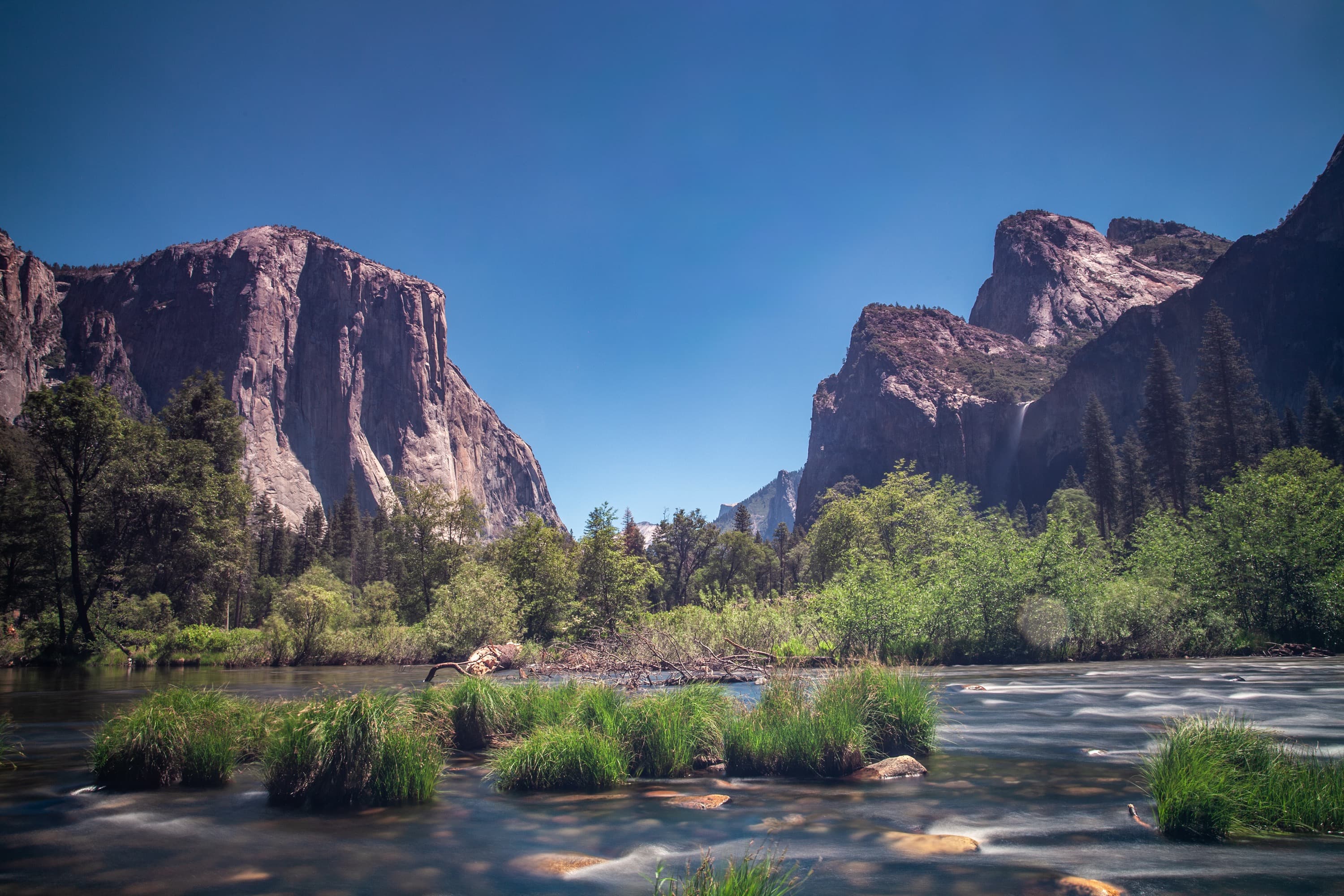
The American West has a way of humbling you. Stand beneath El Capitan at sunrise or watch a storm roll across Pyramid Lake and you understand why generations of photographers have been drawn to these landscapes. The scale is almost incomprehensible, and the light — the light is everything.
Planning Around Light
Landscape photography is really light photography. I plan every shoot around the golden hours — the first and last hour of sunlight — when the world turns warm and shadows stretch long across the terrain. Apps that track sun position and weather forecasts are essential tools, but nothing replaces arriving early and watching the sky develop.
Yosemite National Park
Yosemite is a place I return to again and again. The Merced River reflecting Half Dome, morning mist settling into the valley, Bridalveil Fall catching side light in late afternoon — every season offers something different. Winter brings snow-covered granite and fewer crowds. Spring delivers peak waterfall flow. Each visit reveals compositions I missed before.
The Nevada Desert
Pyramid Lake is one of the most otherworldly places I've ever photographed. Weathered tufa formations rise from turquoise water, and the surrounding desert creates a silence you can feel. Long exposures turn the lake surface to silk, and the driftwood along the shore provides foreground interest that anchors the vastness of the scene.
Composition at Scale
The biggest challenge in landscape photography is translating three-dimensional grandeur into a two-dimensional frame. I look for strong foreground elements — a river bend, a fallen tree, a rock formation — that lead the viewer's eye into the scene. Layers of depth, from near to far, create the sense of being there that separates a compelling image from a snapshot.
Weather as a Tool
Clear blue skies make for pleasant hikes but often dull photographs. I actively seek out dramatic weather — storm fronts, fog, rain clearing to reveal patches of light. Some of my strongest landscape work has come from moments when most people would pack up and leave. The moody skies over Fall River, Massachusetts, or storm clouds gathering above Naples Pier — those conditions create atmosphere that sunshine alone cannot.
Landscape photography is a practice in presence. It forces you to slow down, observe, and respond to what nature offers. No two visits to the same location are alike, and that's what keeps me coming back.
Interested in working together?
Get in Touch